
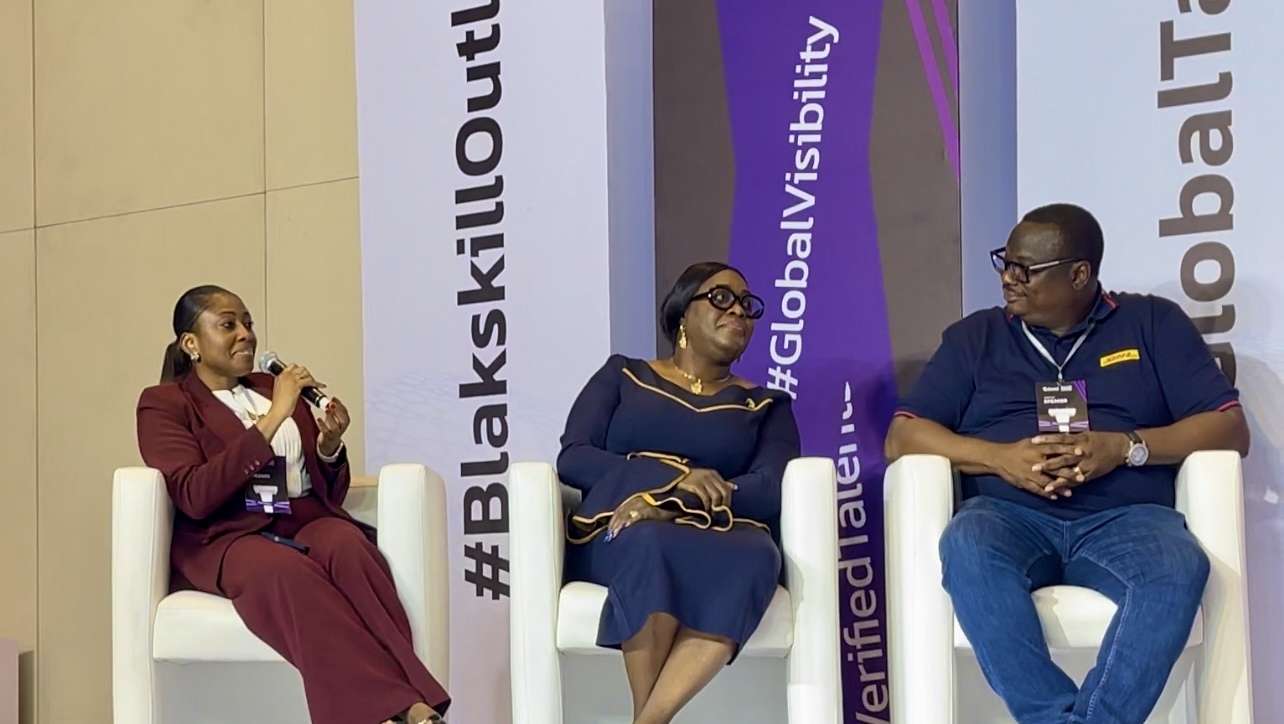
In a recent panel discussion at the Blakskil 2024 Outlook session, I had the opportunity to join a group of experienced HR professionals to explore the latest trends in talent management across the energy, hospitality, and tourism industries. Our discussion highlighted the critical balance between technological proficiency and essential soft skills, all within the context of today’s rapidly changing global market.
Identifying and Attracting the Right Talent
The energy sector is undergoing a significant transformation, moving towards more sustainable and renewable sources. This shift requires a new breed of talent that blends innovative tech skills with traditional energy knowledge. In hospitality and tourism, the focus is increasingly on service excellence and the ability to innovate. Candidates who excel in customer service, show great adaptability, and possess digital skills are in high demand.
Effective talent acquisition strategies now go beyond traditional methods. They include enhancing your company’s visibility, engaging in career fairs, attending industry conferences, and presenting a compelling Employee Value Proposition. Leveraging advanced data analytics helps identify skill gaps and locate candidates with the right competencies. Building partnerships with educational institutions and utilizing social media for targeted recruiting are also key to developing a pipeline of qualified talent.
Adapting to the Agility of Talent Acquisition
Talent acquisition is swiftly evolving. AI and machine learning have streamlined the recruitment process, improving efficiency in resume screening and candidate selection. Virtual recruitment, including online interviews and digital career fairs, is becoming the norm, catering to the rising demand for remote or hybrid work setups.
To stay competitive, companies are adopting various innovative strategies. These include employee referral programs, offering continuous learning and development, engaging in proactive talent sourcing, incorporating gamification into recruitment processes, and providing internship and apprenticeship opportunities. These efforts make the recruitment process more efficient and help in building a robust internal talent pool.
Managing Global Talent Mobility
For businesses operating in different states or on a global scale, managing talent mobility is a crucial yet challenging task. It requires a comprehensive approach that includes cultural integration training, adherence to regulatory compliance, the development of flexible mobility policies, alignment of global assignments with individual career goals, and effective repatriation strategies. These steps are vital for ensuring smooth transitions for employees across different regions and aligning them with local cultures and business practices.
Transcorp Group currently operates in Lagos, Rivers, Delta, Cross River, and the FCT, so managing talent mobility is a common practice for us. We are committed to embracing these trends and strategies to attract and retain top talent nationwide. Our focus on aligning our talent management practices with industry developments positions us as a leader in innovation and service excellence.
As we navigate the complexities of the talent market, our goal is to create an environment that attracts, nurtures, and retains the best talent, ensuring that we remain at the forefront of our industry sectors.